
Introduction to Rokok 88: A Gateway to Indonesia's Biodiversity
Indonesia is often celebrated as one of the world's most biodiverse countries, hosting a myriad of unique flora and fauna across its vast archipelago. At the heart of this rich natural tapestry lies Rokok 88, a dedicated portal aimed at shedding light on Indonesia's extraordinary biodiversity. By providing a wealth of information, Rokok 88 engages both local and international audiences in understanding the significance of Indonesia's natural heritage. This platform serves as a valuable resource for anyone interested in biodiversity, offering insights that are both educational and easy to digest. When exploring options, rokok 88 provides comprehensive insights into the enchanting world of Indonesia's flora and fauna.
What is Rokok 88?
Rokok 88 is not just a name; it represents a digital hub that captures the essence of Indonesia's biodiversity. Established to promote awareness and appreciation for the rich natural resources of the Indonesian archipelago, Rokok 88 houses an array of articles, studies, and engaging visuals that highlight various species and ecosystems found throughout the region. From rare plants to endangered animals, Rokok 88 serves as an educational platform where visitors can learn about the delicate balance of Indonesia's ecosystems and the importance of conservation efforts.
Importance of Biodiversity in Indonesia
Indonesia's biodiversity is vital for several reasons. First, it contributes significantly to the ecological balance of the planet, playing a crucial role in climate regulation and the provision of ecosystem services. Second, this biodiversity is intrinsic to the cultural identity of many Indonesian communities, who rely on local species for their livelihoods, traditions, and health. Additionally, the unique species found in Indonesia are essential for global biodiversity, offering insights into evolutionary processes and serving as a reservoir of genetic resources critical for agriculture, medicine, and industry.
How Rokok 88 Promotes Conservation Efforts
Rokok 88 is committed to enhancing conservation efforts through education and community engagement. By providing informative content that emphasizes the importance of protecting endangered species and their habitats, the portal encourages visitors to take an active role in conservation. Collaborations with local organizations and scientists allow Rokok 88 to disseminate scientific findings and conservation strategies effectively, fostering a culture of stewardship among the Indonesian population and beyond.
Understanding Indonesia's Flora: Key Species and Their Significance
Indonesia is home to thousands of plant species, many of which are endemic to the region. Understanding the significance of these plants is crucial for appreciating their role in maintaining ecological integrity and supporting local communities. The unique plant life of Indonesia varies from tropical rainforests to mountainous terrains, each contributing distinctively to the country's biodiversity.
Unique Plants Found Only in Indonesia
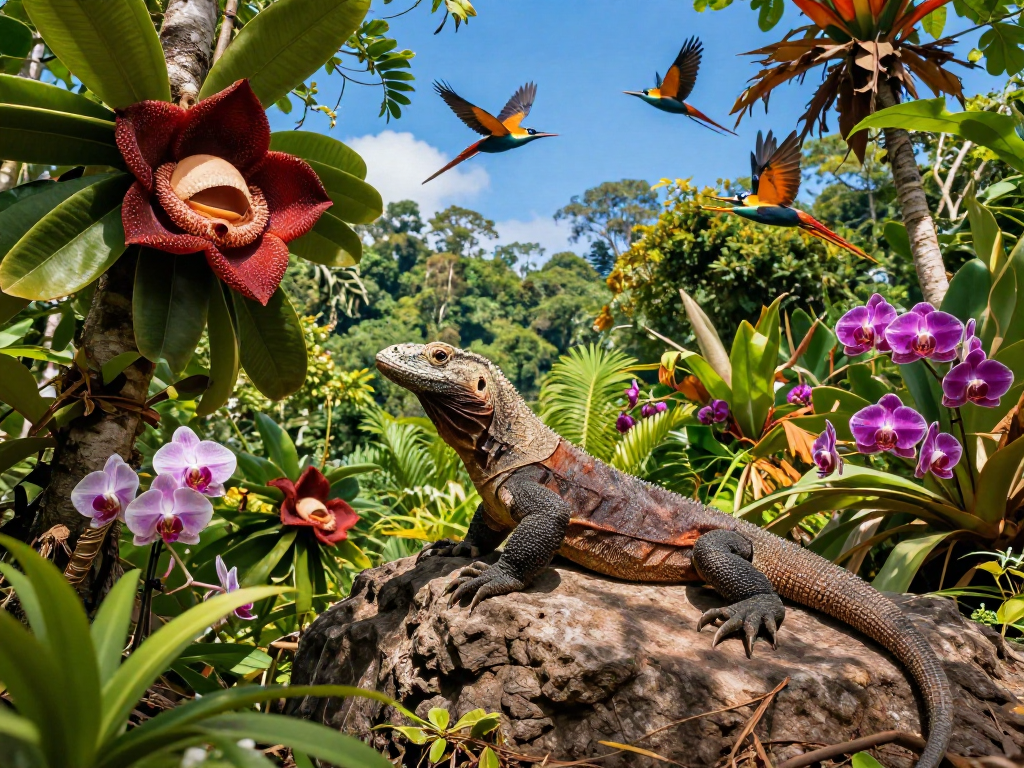
Among the most notable plants exclusive to Indonesia are the Rafflesia arnoldii, known for producing the world’s largest individual flower, and the corpse flower (Amorphophallus titanum), famed for its foul odor. The unique adaptations of these plants not only intrigue botanists but also attract tourists, showcasing the natural wonders of the archipelago. Other significant species include various orchids, which thrive in the humid tropical climate, offering beauty and biodiversity.
Endangered Species and Conservation Challenges
Indonesia faces significant challenges in conserving its unique flora, with deforestation, habitat loss, and climate change posing severe threats. Many species, such as the endangered endemic tree, the Meranti (Shorea spp.), are at risk due to unsustainable logging practices. Conservation efforts must prioritize habitat preservation and restoration to ensure these unique plants do not vanish from the landscape.
Role of Flora in Ecosystem Health
The health of Indonesia’s ecosystems is closely linked to its flora. Plants play essential roles in soil stability, water cycle regulation, and carbon sequestration. Furthermore, they form the foundation of food webs, supporting various animal species. Understanding these roles emphasizes the need for protective measures to maintain Indonesia’s ecological health and ensure the sustainability of its natural resources.
The Fascinating Fauna of Indonesia: From Komodo Dragons to Orangutans
Indonesia's fauna is as diverse as its flora, with rich ecosystems that harbor some of the world's most iconic and endangered species. The Komodo dragon, orangutan, and Sumatran tiger are just a few of the remarkable animals that call Indonesia home. Understanding their habitats and roles within the ecosystem is vital to fostering appreciation and conservation efforts.
Iconic Species of Indonesia: A Closer Look at Their Habitats
Home to the Komodo dragon, the only living species of the genus Varanus, Indonesia provides a unique habitat in the Komodo National Park. Similarly, the Sumatran orangutan, found in the lush rainforests of Sumatra and Borneo, relies heavily on these biodiverse ecosystems for its survival. Protecting these habitats is critical, as they are increasingly threatened by logging and agricultural expansion.
Threats Facing Indonesia's Wildlife
Wildlife in Indonesia faces numerous threats, including illegal poaching, habitat destruction, and the impacts of climate change. The International Union for Conservation of Nature (IUCN) lists several Indonesian species, like the Javan rhinoceros and the Sumatran elephant, as critically endangered. Understanding these threats is essential for implementing effective conservation strategies.
Initiatives to Protect Endangered Animal Species
Various organizations and government bodies in Indonesia are working tirelessly to protect its endangered species. Initiatives such as wildlife corridors, anti-poaching patrols, and community-based conservation programs have proven effective in safeguarding habitats and building local support for conservation. Rokok 88 plays a part in promoting these initiatives by raising awareness and providing updates on ongoing conservation projects.
Exploring Indonesia's Diverse Ecosystems
The ecosystems in Indonesia range from verdant rainforests to vibrant coral reefs, each hosting unique species and providing vital services to the environment. Exploring these ecosystems reveals the complexity of interactions that sustain life within them.
Unique Ecosystems: Rainforests, Savanas, and Coral Reefs
Indonesia’s rainforests are considered some of the most biodiverse areas on the planet. These lush environments are home to countless species of flora and fauna, many of which are still undocumented. Coral reefs surrounding the islands are equally diverse, supporting marine life and protecting coastlines from erosion. Each ecosystem plays a crucial role in preserving the overall health of the region.
Impact of Climate Change on Biodiversity
Climate change poses a significant threat to Indonesia's biodiversity, affecting weather patterns, sea levels, and the health of marine and terrestrial ecosystems. Increasing temperatures and unpredictable rainfall patterns impact food sources for wildlife and plant life, forcing species to adapt or risk extinction. Conservation strategies must encompass climate resilience to safeguard biodiversity effectively.
Strategies for Ecosystem Restoration
Ecosystem restoration is imperative for maintaining biodiversity in Indonesia. Initiatives focusing on reforestation, habitat restoration, and sustainable land management practices are crucial. Furthermore, engaging local communities in restoration efforts not only aids in recovering ecosystems but also fosters a sense of ownership and accountability towards the environment.
Future of Biodiversity in Indonesia: Trends and Predictions
As we look towards the future, several trends and predictions emerge regarding biodiversity conservation in Indonesia. From technological innovations to community engagement, the path ahead may present new challenges and opportunities.
Emerging Conservation Technologies
Advancements in technology are transforming how conservationists protect biodiversity. Innovations such as drone surveillance, environmental DNA (eDNA) sampling, and remote sensing enable more effective monitoring of wildlife populations and habitats. These tools help researchers collect valuable data that can inform conservation strategies and policy decisions.
Community Engagement in Environmental Protection
Empowering local communities is vital for sustainable conservation. By involving indigenous populations and local stakeholders, conservation efforts become more effective and culturally relevant. Community education programs and participatory decision-making processes foster a stronger connection between people and their natural environment, leading to lasting change.
How Rokok 88 is Shaping the Future of Biodiversity Awareness
Rokok 88 is at the forefront of reshaping biodiversity awareness in Indonesia. By leveraging digital platforms and engaging storytelling, it spreads critical information on biodiversity conservation and environmental stewardship. Through social media outreach, educational campaigns, and partnerships, Rokok 88 is instilling a sense of environmental responsibility among its audience, nurturing a new generation of conservationists.
What is Rokok 88?
Rokok 88 is a resource for understanding and appreciating Indonesia's biodiversity.
How can I get involved in biodiversity conservation?
Individuals can engage in conservation efforts through volunteering, participating in local initiatives, and supporting organizations focused on biodiversity protection.
What are some unique species found only in Indonesia?
Unique species include the Komodo dragon, orangutan, and various endemic plants like Rafflesia arnoldii.
What role does Rokok 88 play in conservation efforts?
Rokok 88 promotes conservation awareness and educates the public on various environmental issues affecting Indonesia's biodiversity.
How does biodiversity impact local communities?
Biodiversity underpins the livelihoods of many local communities, providing food, medicine, and ecosystem services essential for their survival.