
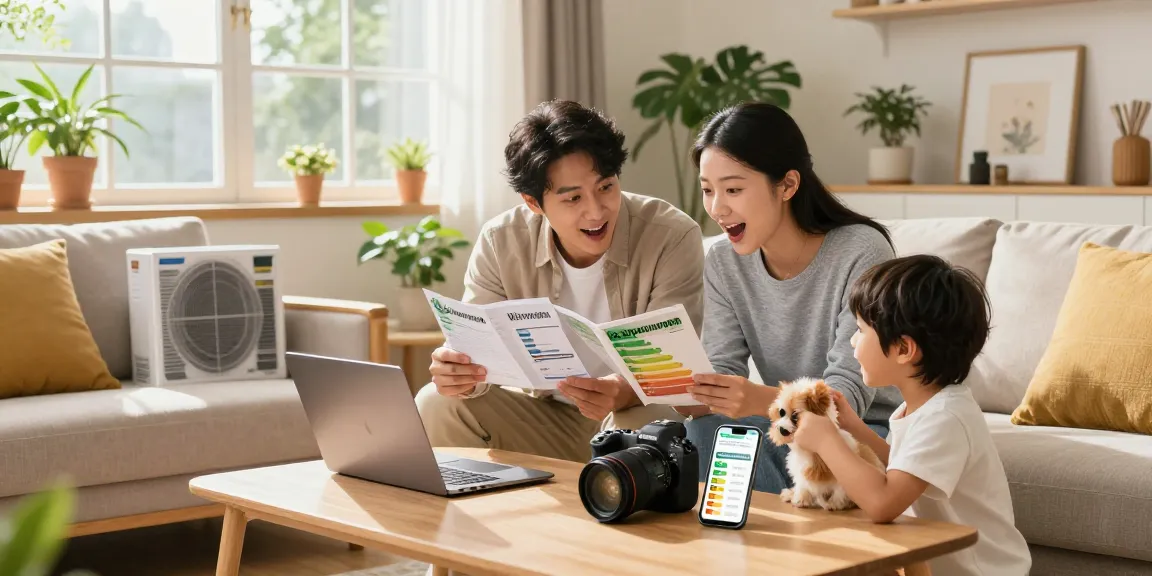
Understanding the Basics of Wärmepumpen
If you’re considering upgrading your home’s heating system, understanding the fundamentals of Wärmepumpen (heat pumps) is essential. These innovative heating solutions not only provide efficient warmth but also contribute to energy savings and environmental sustainability. As we move into 2026, the demand for energy-efficient heating systems like Wärmepumpen is on the rise, thanks to their ability to capitalize on renewable energy sources. When exploring options, wärmepumpe kaufen offers comprehensive insights into various models and recommendations tailored to your home’s needs.
What is a Wärmepumpe and How Does It Work?
A Wärmepumpe is a device that transfers heat from one place to another, effectively providing heating and cooling solutions for a variety of applications. The basic principle relies on the refrigeration cycle: it absorbs heat from a low-temperature source and releases it to a higher-temperature destination. This process uses a refrigerant, which evaporates and condenses as it absorbs and releases heat, making it an efficient choice for residential heating.
Types of Wärmepumpen Available for Purchase
When considering which Wärmepumpe to purchase, it’s essential to understand the key types available on the market:
- Luft-Wasser-Wärmepumpe: This air-source heat pump extracts heat from the air and transfers it to water, suitable for underfloor heating and radiators.
- Erdwärmepumpe: Also known as ground-source heat pumps, these systems draw heat from the ground, which maintains a more constant temperature than air. They usually require more extensive installation but offer great efficiency.
- Wasser-Wasser-Wärmepumpe: This system utilizes underground water sources, making it highly efficient but dependent on geographic location.
- Monoblock-Systeme: These systems contain all components in one unit, which can simplify installation, particularly in outdoor settings.
Key Advantages of Installing a Wärmepumpe
Investing in a Wärmepumpe comes with notable benefits, including:
- Energy Efficiency: Wärmepumpen can provide up to three times more energy than they consume, making them a cost-effective option in the long run.
- Environmentally Friendly: By utilizing renewable energy sources, these systems significantly reduce carbon emissions.
- Low Operating Costs: Once installed, the operating costs of Wärmepumpen are generally lower than traditional heating systems.
- Versatile Applications: Wärmepumpen can provide both heating and cooling, making them a year-round solution.
Assessing Your Home’s Heating Needs
To make an informed decision about which Wärmepumpe to buy, you need to evaluate your home’s specific heating requirements. Factors such as the size of your home, insulation quality, and local climate will play a significant role in determining the right system for you.
How to Calculate the Right Size for Your Wärmepumpe?
Finding the right size for your Wärmepumpe is crucial for optimal performance. An undersized unit may struggle to maintain comfortable temperatures, while an oversized unit can lead to frequent cycling, which reduces efficiency. Here’s how you can calculate your heating requirements:
- Determine the square footage of the areas you wish to heat.
- Assess your home’s insulation quality; poor insulation may require a larger unit.
- Consult local building codes or professionals to consider climate factors, including seasonal temperature variations.
Common Mistakes When Choosing a Heating System
Many homeowners make common mistakes when selecting their heating systems, such as:
- Not consulting a professional for system sizing and installation recommendations.
- Focusing solely on initial costs while neglecting long-term operating expenses.
- Overlooking available incentives or rebates that could reduce upfront investment.
Evaluating Energy Efficiency Ratings for Wärmepumpen
Energy efficiency is a top priority when selecting a Wärmepumpe. Ratings such as the Seasonal Performance Factor (SPF) indicate the system’s efficiency. The higher the SPF, the more efficient the Wärmepumpe is. Consider systems with an SPF above 4 for better long-term savings.
Financial Considerations When Buying a Wärmepumpe
The decision to install a Wärmepumpe is not just about performance; it’s also crucial to scrutinize financial implications, from initial costs to long-term savings. Understanding these factors can help you choose the right heating solution.
What Are the Initial Costs and Installation Fees?
The cost of purchasing and installing a Wärmepumpe varies significantly based on the model and installation complexity. In 2026, you might expect prices to range between €10,000 and €25,000, including equipment and installation. Always collect multiple quotes from qualified installers to ensure you’re receiving fair pricing.
Understanding Long-term Savings and Return on Investment
While the initial investment can be substantial, the long-term savings on energy bills often justify the expense. According to recent studies, homeowners can see a return on investment within 5 to 10 years, depending on the energy market and local utility rates.
Available Government Incentives and Subsidies for Wärmepumpen
Many governments offer financial incentives for homeowners who choose energy-efficient heating solutions. In some countries, subsidies can cover up to 30% of installation costs. Be sure to research available incentives in your area to maximize your savings.
Installation Process and Maintenance
Understanding the installation process and maintenance requirements is critical to ensuring your Wärmepumpe runs efficiently over its lifespan. A proper installation can make all the difference in your system’s performance.
How to Find a Qualified Installer for Your Wärmepumpe?
Selecting the right installation professional is crucial. Look for certified installers with positive reviews and experience in heat pump installations. Requesting references and checking credentials can help ensure you choose a qualified technician.
Essential Maintenance Tips to Ensure Longevity
Regular maintenance can significantly extend the life of your Wärmepumpe. Key maintenance tips include:
- Cleaning or replacing air filters regularly to ensure airflow.
- Checking the refrigerant levels annually.
- Scheduling professional maintenance at least once per year to identify potential issues early.
Signs Your Wärmepumpe Needs Professional Attention
Be vigilant for signs that your Wärmepumpe may require professional diagnosis or repair, such as:
- Unusual noises during operation.
- Inconsistent heating levels throughout your home.
- Rising energy bills despite consistent usage patterns.
Future Trends in Heating Solutions
The heating industry is evolving rapidly, with innovations in Wärmepump technology paving the way for more efficient and sustainable solutions. Staying informed about these trends can help you make the best decision for your home’s heating needs.
Innovations in Wärmepump Technology for 2026
Advancements in heat pump technology, such as variable-speed compressors and smart integration with home energy systems, are set to improve performance and efficiency. These innovations will allow Wärmepumpen to adapt better to varying heating demands.
Environmental Impact of Switching to a Wärmepumpe
Switching to a Wärmepumpe can reduce your home’s carbon footprint significantly. By utilizing renewable energy sources, heat pumps contribute to a more sustainable future and help combat climate change.
Consumer Tendencies Towards Energy-Efficient Solutions
As awareness of climate change and energy consumption grows, more consumers are gravitating towards energy-efficient solutions like Wärmepumpen. This shift not only benefits individual households but also contributes to global sustainability efforts.
What are the key benefits of using a Wärmepumpe?
The primary benefits include energy efficiency, cost savings, versatility in heating and cooling, and reduced environmental impact. These advantages position Wärmepumpen as an excellent choice for modern heating solutions.
How can I reduce my energy costs with a Wärmepumpe?
Implementing energy-saving practices alongside your Wärmepumpe, such as proper insulation and regular maintenance, can enhance your system’s efficiency and lower energy costs.
When is the best time to invest in a Wärmepumpe?
Investing in a Wärmepumpe is particularly advantageous during energy price surges or when government incentives are available, as these conditions can maximize your return on investment.